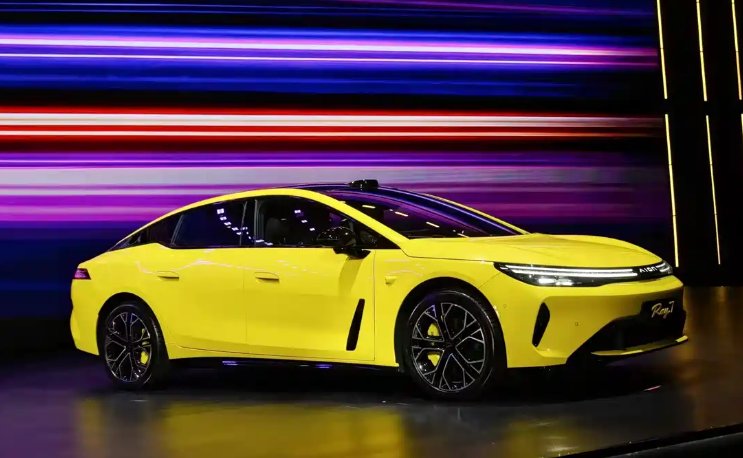
Recently, GAC Aion's all-new mid-to-large all-electric sports sedan Ray7 officially opened pre-sales, launching a total of 5 configurations, with pre-sale prices of 128,800 to 158,800 yuan.
Brothers and sisters, with this price laid out, it's still somewhat worth a look, don't you think?
To be honest, this time Aion isn't simply launching a new car—it's coinciding with the brand's tenth anniversary, rolling out the all-new Ray series, and bringing along a new LOGO, a new design language, and a series of technical configurations.
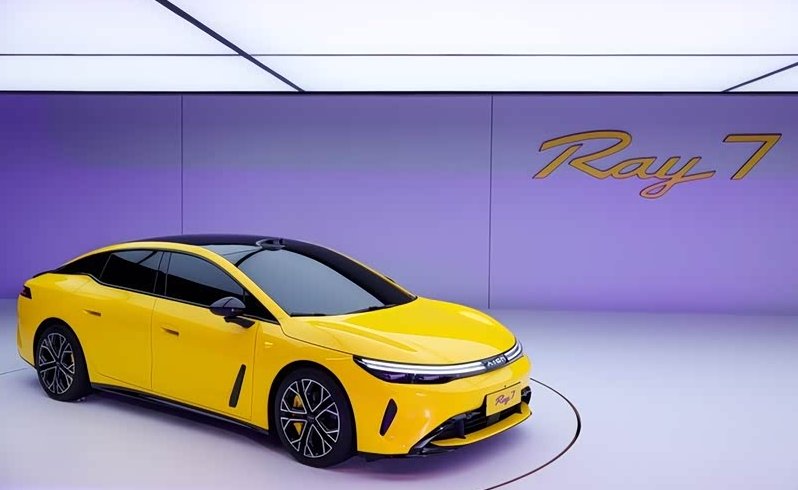
Put plainly, Aion this time wants to change its image, so that when people mention it, they no longer think only of family cars and ride-hailing vehicles.
Of course, whether it can truly change everyone's impression still depends on the product and market performance—relying on just one car probably won't make it that easy.
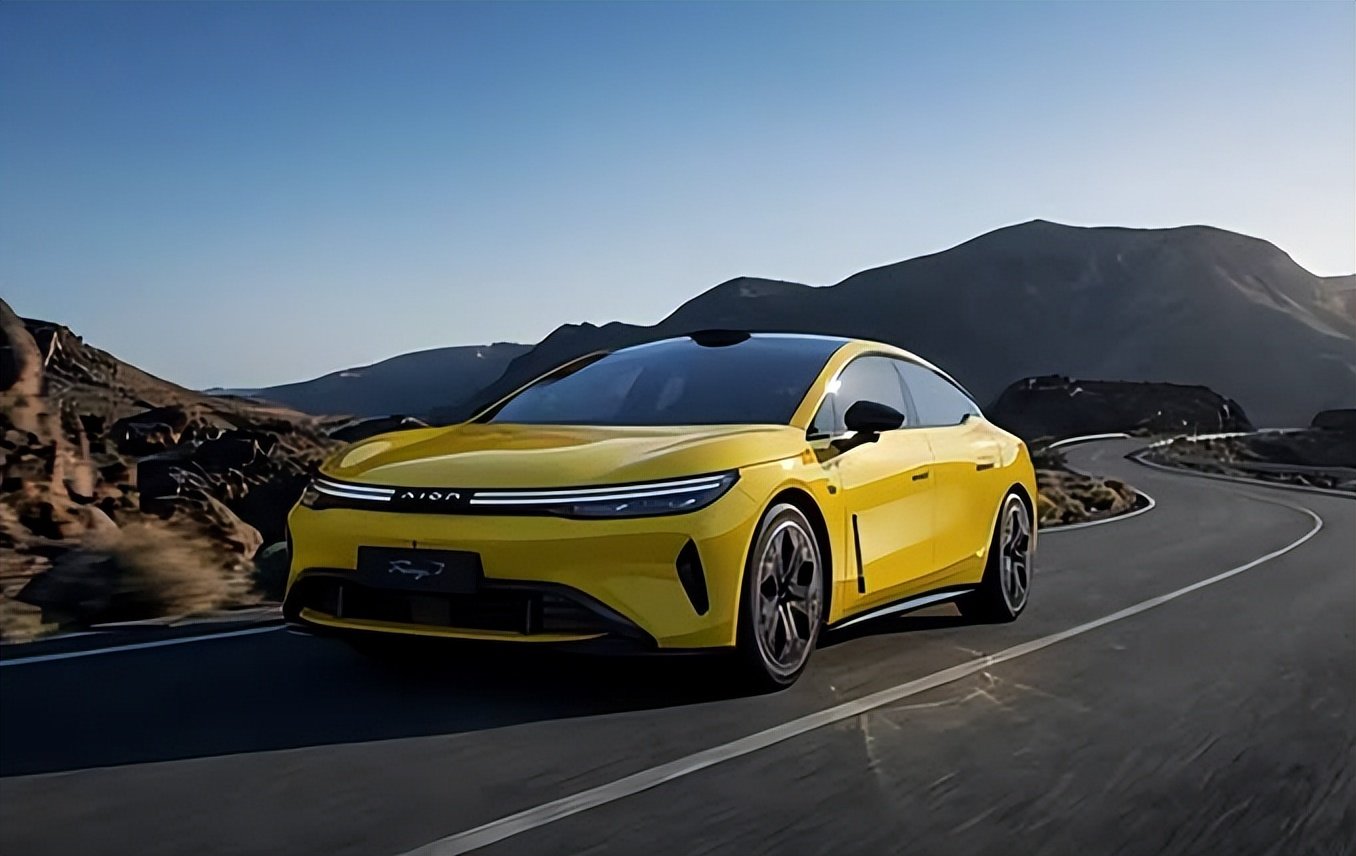
Starting with the exterior, this time the Ray7 is indeed somewhat different from past Aion models.
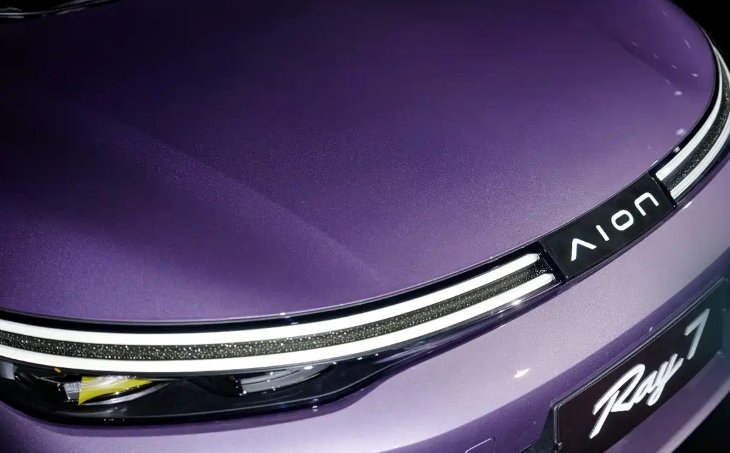
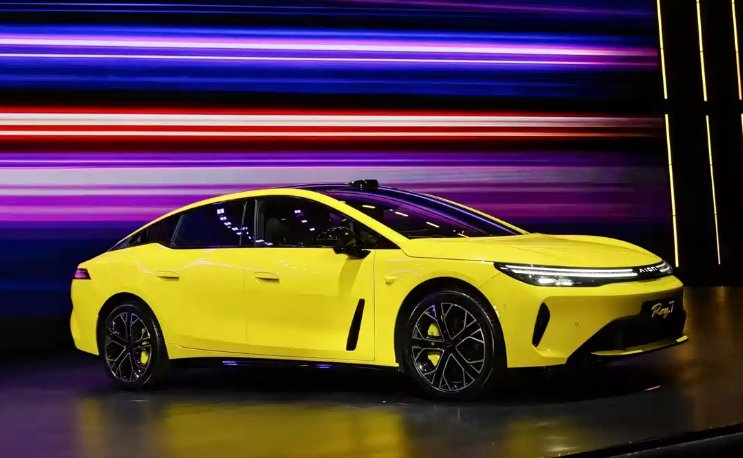
The front face adopts a star-ring-style continuous light cluster, with the new Aion English logo added in the middle, and the light clusters on both sides are also integrated into the overall design.
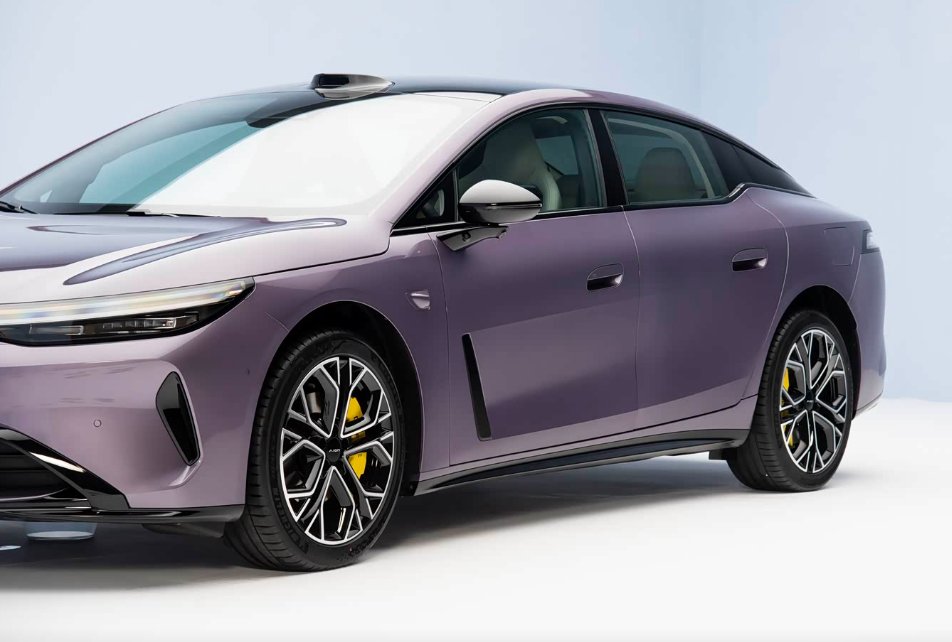
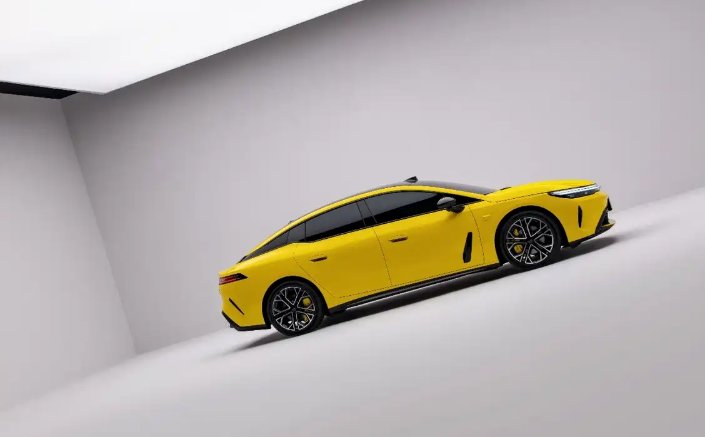
The side profile features a fastback shape, paired with semi-hidden door handles, dual five-spoke wheels, and yellow brake calipers—the sporty feel is there.
The rear also uses continuous taillights, echoing the front.
Plus the two color options of Lightning Yellow and Midsummer Purple, at least judging from the current design, it's meant to attract young people.
In terms of dimensions, the new car measures 4960/1900/1455mm in length, width, and height respectively, with a wheelbase of 2920mm, positioning it as a mid-to-large car.
This size, placed within the pre-sale price range of 120,000 to 160,000 yuan, is indeed quite attractive.
In my view, one of Aion's smarter moves this time is to first establish the body size and sports sedan shape, so consumers can see the difference at a glance.
What's truly worth discussing is the chassis and the three-electric system.
The Ray7 adopts a pure electric rear-drive platform, equipped with Huawei's Drive ONE electric drive system, with a maximum motor power of 180kW and maximum torque of 235N·m.
For the battery, two capacities are offered: 45.58kWh and 62.98kWh, using CATL batteries and integrating Aion's magazine battery 2.0 technology, with CLTC pure electric range of 530km and 702km respectively.
As for how far it can actually run on real roads, it still depends on weather, speed, and driving habits—CLTC range cannot be directly taken as actual range.
In addition, Aion has been promoting magazine battery safety technology all along.
According to official data, this technology has been installed in over 1.5 million vehicles, with safe driving exceeding 160 billion kilometers.
This time the Ray7 continues to carry magazine battery 2.0, which at least shows that battery safety remains a selling point it wants to emphasize.
Coupled with the official "three responsibilities" commitment, covering spontaneous combustion involving three-electric issues, battery degradation exceeding limits, and intelligent parking accidents, it is indeed trying to reduce consumers' concerns.
But everyone should also note that how the commitment is specifically implemented and which conditions apply ultimately depends on the formal terms—you can't just listen to a promotional line and assume all situations are unconditionally covered.
In terms of the chassis, this car adopts an aluminum hybrid front double-wishbone and rear five-link suspension, and is also equipped with FSD adaptive damping shock absorbers and front and rear stabilizer bars.
Officials also mentioned Alfa Romeo chassis tuning experience, as well as Huawei's iTRACK intelligent torque control system.
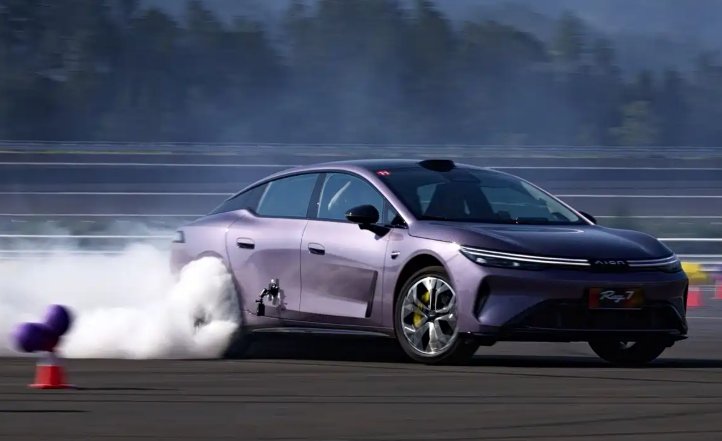
For braking, it is equipped with HUAWEI DriveONE EMB full-wire control braking, with an official 100km/h stopping distance of 33 meters.
But I think, whether a chassis is good or not can't be judged only by suspension names and spec sheets.
Whether it's harsh over speed bumps, whether the body is stable during high-speed lane changes, whether there's confidence in continuous curves—these are the things consumers can truly feel.
Looking next at intelligent driving, this may be the card Ray7 most wants to play this time.
The new car is equipped with 27 automotive-grade full-view sensors, including a 192-line LiDAR and 3 4D millimeter-wave radars and other hardware, and carries the same-origin large model as WeRide's L4-level Robotaxi.
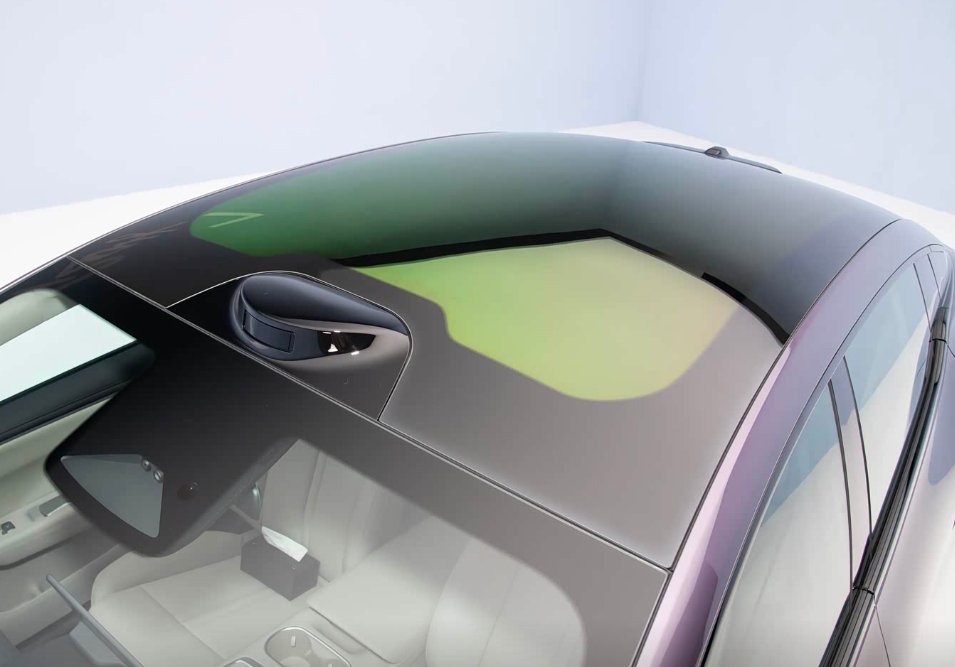
According to the official introduction, it can handle complex scenarios such as driving through urban villages, single-lane U-turns, borrowing lanes to detour, and parking-spot-to-parking-spot, and also supports finding nearby parking spots, passing through gates, and parking in highly difficult spaces.
If the actual experience of this system can reach the level advertised, it would indeed be helpful for daily driving.
Especially in old residential complexes, narrow roads, and places with tight parking spaces—many times it's not that power is insufficient, but that it's easy to drive in and troublesome to get out.
However, brothers and sisters still need to distinguish one point clearly: carrying the same-origin algorithm as L4-level Robotaxi does not mean this production car has L4-level autonomous driving capability.
The specific assisted driving functions, scope of use, and driver responsibility must still be based on the final production version and official explanations.
In terms of interior, the new car adopts a wrap-around cockpit, equipped with a three-spoke multifunction steering wheel, a narrow-strip LCD instrument panel, a floating central control screen, and continuous air conditioning vents, and also offers wireless phone charging, front one-piece sport seats, and a three-layer silver-plated sun protection panoramic roof.
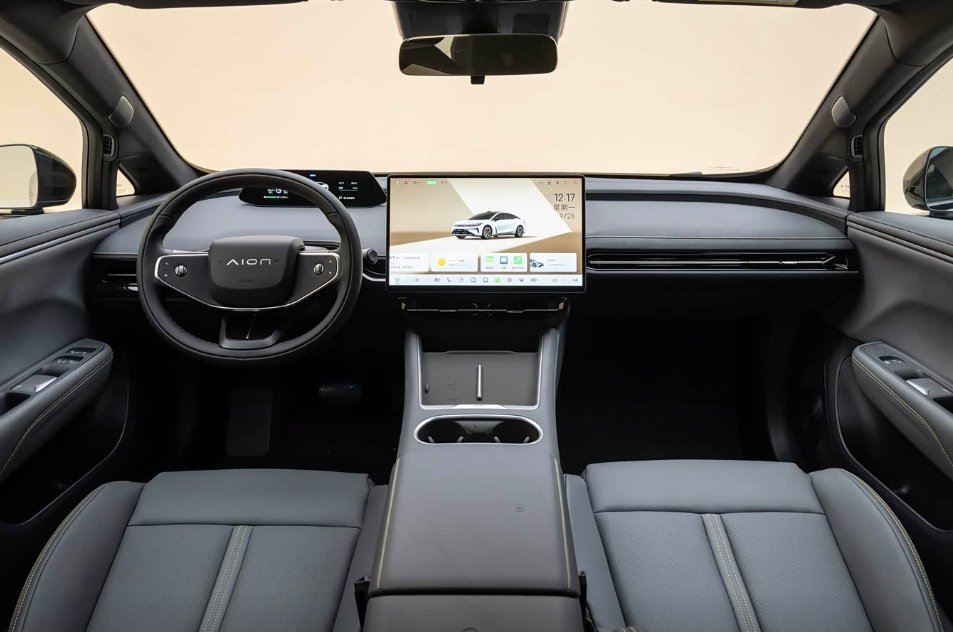
The overall approach is very clear—it wants to balance both sportiness and technology.
That said, the pressure Ray7 truly faces is actually not small.
Also a pure electric sports sedan, the Xiaomi SU7 has performance and the human-car-home ecosystem as selling points, while the Shangjie Z7 relies on HarmonyOS Intelligent Driving's technical system and user ecosystem.
Both have their own brand advantages, and if Ray7 wants to win users, it can't rely only on being large in size and having many configurations.
Its currently clearer advantages are a lower pre-sale price, class-leading body size, and packing battery safety, chassis hardware, and advanced driver assistance into the same car.
But shortcomings cannot be avoided either.
Whether Aion's brand heat among young consumer groups, as well as its accumulation in intelligent cockpits and cross-scenario ecosystems, can wrestle with these competitors still needs market testing.
One last thing: 128,800 to 158,800 yuan is only the pre-sale price, not the final launch price, and subsequent benefits, configuration distribution, and actual differences among versions may all affect how consumers choose.
Personally, I think Ray7 this time has indeed shown Aion's sincerity in transformation.
It doesn't talk only about design, nor only about range, but treats chassis, three-electric safety, and intelligent driving as the focus.
But whether a car can truly sell well is never decided by the spec sheet.
What consumers ultimately care about is still whether the price is right, how it drives, and whether it's worry-free over several years of use.
Can Aion rely on Ray7 this time to shake off its old label?
I think we can look forward to it first, but it's not yet time to draw a conclusion.
Let's wait for the official price announcement and then see whether it can truly turn these technical advantages into reasons consumers are willing to pay.